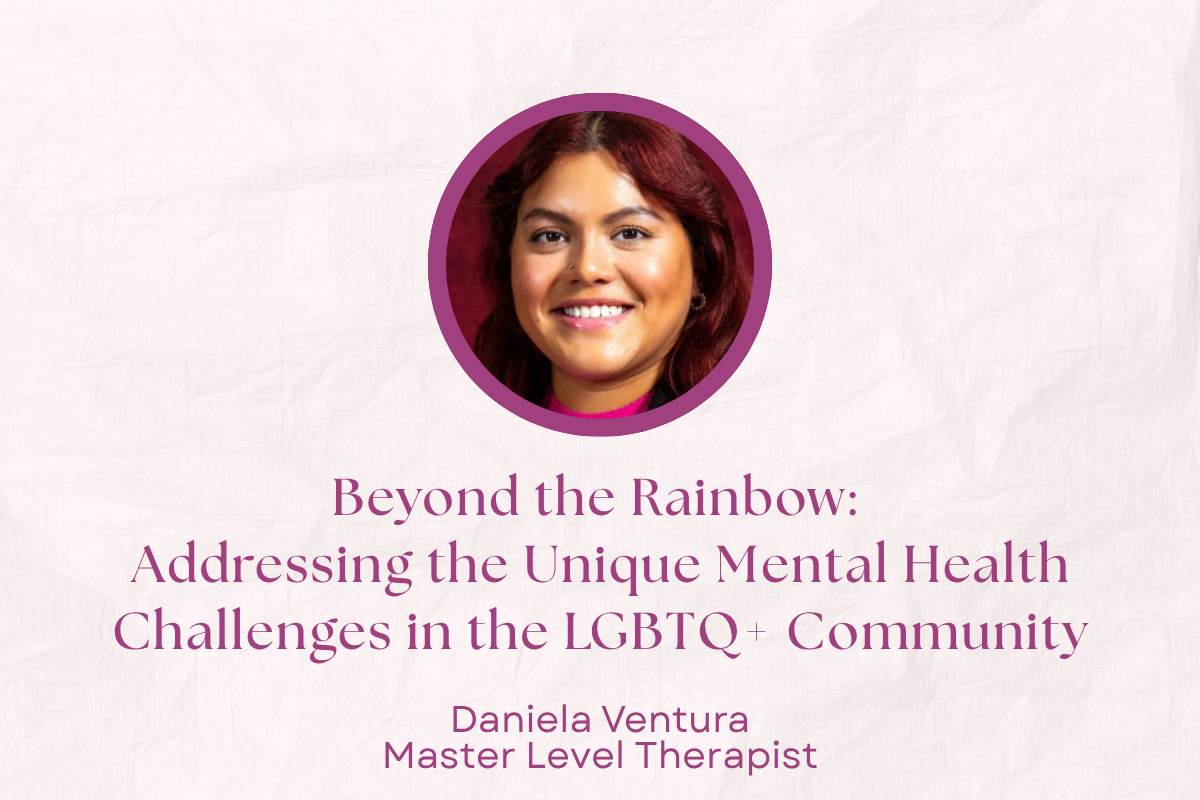
Every June, rainbow flags fill our neighborhoods, businesses, and social media feeds in celebration of Pride. While visibility and acceptance have grown over the years, many people in the LGBTQ+ community continue to carry an invisible burden, one shaped not by their identities, but by the chronic stress of living in a world where discrimination, rejection, and misunderstanding still exist.
Mental health disparities among LGBTQ+ individuals are not the result of being lesbian, gay, bisexual, transgender, queer, or questioning. Rather, they stem from what psychologists call minority stress—the ongoing emotional strain caused by stigma, prejudice, discrimination, and fear of rejection. Understanding this reality is the first step toward creating spaces where LGBTQ+ individuals can not only survive but truly thrive.
The Weight of Minority Stress
Imagine navigating school, work, healthcare, or even family gatherings while wondering whether you will be accepted, judged, or treated differently because of who you are. For many LGBTQ+ individuals, this uncertainty is a daily reality. Research consistently shows that LGBTQ+ people experience significantly higher rates of anxiety, depression, substance use, and suicidal thoughts than their heterosexual and cisgender peers, not because of their identity, but because of the chronic stress associated with discrimination and marginalization.
Among LGBTQ+ youth, the numbers are especially concerning:
- Nearly 39% seriously considered suicide within the past year.
- Approximately 12% reported attempting suicide.
- Half of LGBTQ+ youth who wanted mental health care were unable to access it.
- LGBTQ+ youth of color and transgender or nonbinary youth reported even higher levels of psychological distress.
These statistics are not simply numbers, they represent real people facing barriers to safety, acceptance, and quality mental health care.
Why Affirmative Therapy Matters
For someone seeking therapy, simply finding a licensed mental health professional may not be enough. Feeling understood, respected, and affirmed can make all the difference.
Affirmative therapy is an evidence-based approach that recognizes LGBTQ+ identities as normal and healthy aspects of human diversity. Rather than viewing sexual orientation or gender identity as something to be explained or changed, affirmative therapists understand how social stigma and systemic discrimination contribute to emotional distress.
An affirming therapist will:
- Create a safe, nonjudgmental environment where clients can openly discuss their identity.
- Understand concepts such as coming out, minority stress, gender identity, and intersectionality.
- Recognize the impact of family rejection, discrimination, bullying, or societal stigma.
- Support clients in developing resilience, self-acceptance, and healthy coping strategies.
- Respect clients’ names, pronouns, relationships, and lived experiences without requiring them to educate the therapist.
Research has shown that affirming environments and supportive relationships are associated with better mental health outcomes and lower suicide risk among LGBTQ+ individuals.
Finding a Therapist Who Truly Understands You
Starting therapy can feel vulnerable, especially if you’ve previously had invalidating experiences. Fortunately, there are ways to identify whether a therapist is likely to provide affirming care.
Here are a few things to look for:
Review their profile. Many therapists list experience working with LGBTQ+ clients or mention affirmative, multicultural, or gender-affirming care in their specialties.
Ask questions during the consultation. You deserve to know whether a therapist is the right fit. Consider asking:
- What experience do you have working with LGBTQ+ clients?
- How do you approach issues related to sexual orientation or gender identity?
- Have you received training in LGBTQ+ affirmative therapy?
- How do you create an inclusive therapeutic environment?
Pay attention to how you feel. A competent therapist should make you feel respected, heard, and safe, not defensive or misunderstood. If something feels off, it’s okay to continue your search. Therapy is most effective when there is trust and genuine connection.
You Deserve Affirming Care
Seeking therapy is not a sign of weakness, it’s an investment in your well-being. Everyone deserves a space where they can show up authentically without fear of judgment.
As mental health professionals continue working toward more inclusive care, it is equally important for communities, schools, healthcare systems, and families to recognize that acceptance itself can be a powerful protective factor. When LGBTQ+ individuals feel seen, respected, and supported, the benefits extend far beyond mental health, they create opportunities for healthier relationships, stronger communities, and fuller lives.
Pride is more than a celebration. It is a reminder that every person deserves dignity, belonging, and access to compassionate mental health care. And sometimes, healing begins with finding one person who truly understands your story.