There are millions of men who suffer from conditions such as depression, anxiety, trauma, substance abuse and other ailments; However, the vast majority of men never seek help from mental health professionals. There are many reasons that influence these situations, but, for the most part, they are a product of the stigma that has marked for generations, in which the belief is maintained that a man who asks for help shows weakness.
Historically we have heard typical phrases that strengthen this type of mentality, such as “you have to be strong”, “be a man” or “deal with it”. All these messages, instead of helping, criticize any man who wants to express himself openly about his feelings and concerns, which leads to him suffering in loneliness.
Among men, there is the group of Hispanic men who still have a greater number of barriers and stigmas compared to other populations from other cultures. In the male population that accesses mental health, 46.2% belong to other demographic groups, while among Hispanic men only 35% of those who need mental health services receive some type of service.
There are many reasons why Hispanic men receive less mental health care. All these barriers can be classified into two primary groups, attitudinal barriers and structural barriers. Attitudinal barriers include distrust in the health system, the desire to solve problems on one's own, and the perception of certain discrimination on the part of health professionals. While structural barriers include lack of health insurance, low socioeconomic status, lack of transportation, inability to miss work, low English language proficiency, coupled with a lack of knowledge of mental health issues and available resources.
Therefore, it is critical that, at different levels and organizations in the community, awareness and education is raised on issues related to mental health, particularly for men, and, in turn, the stigma that only women benefit from these services is removed. Removing all these structural barriers will be of great help to early identify the ills that affect the Hispanic male population and advance, as a health goal, in their detection and treatment that guarantee the emotional well-being of Hispanic men.
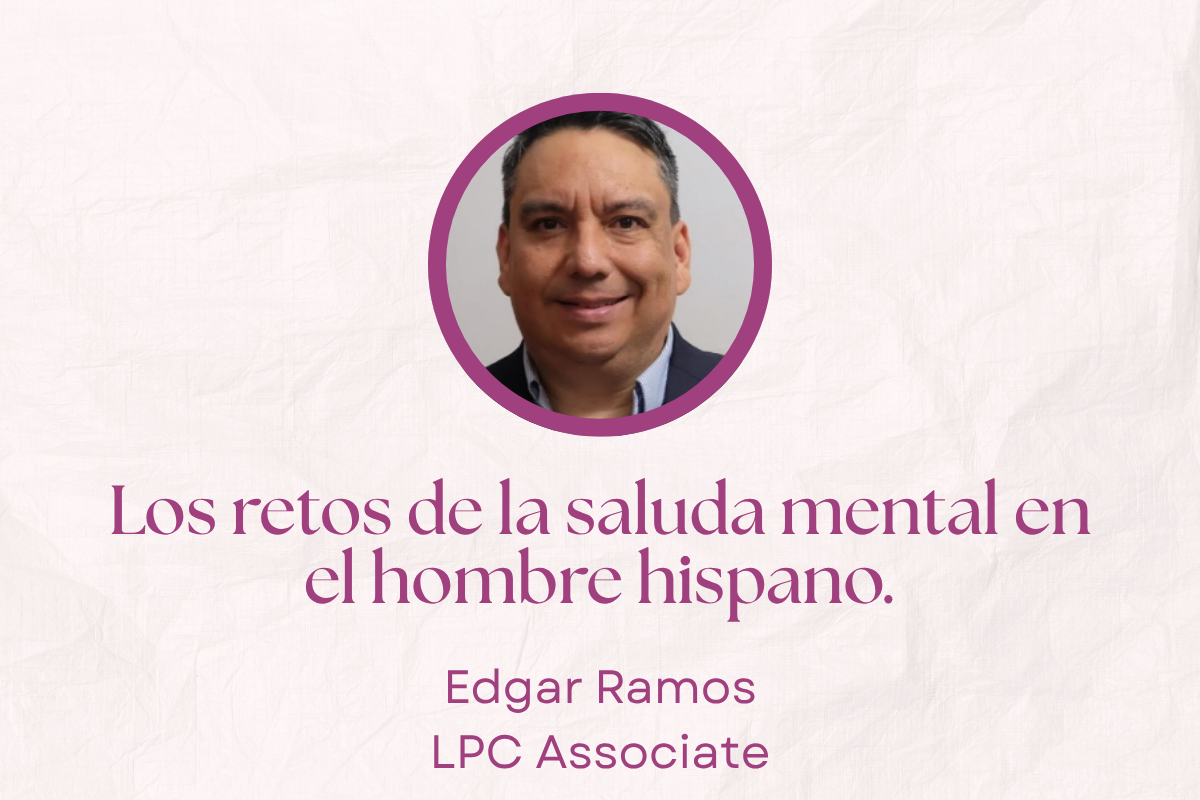
By Edgar Ramos