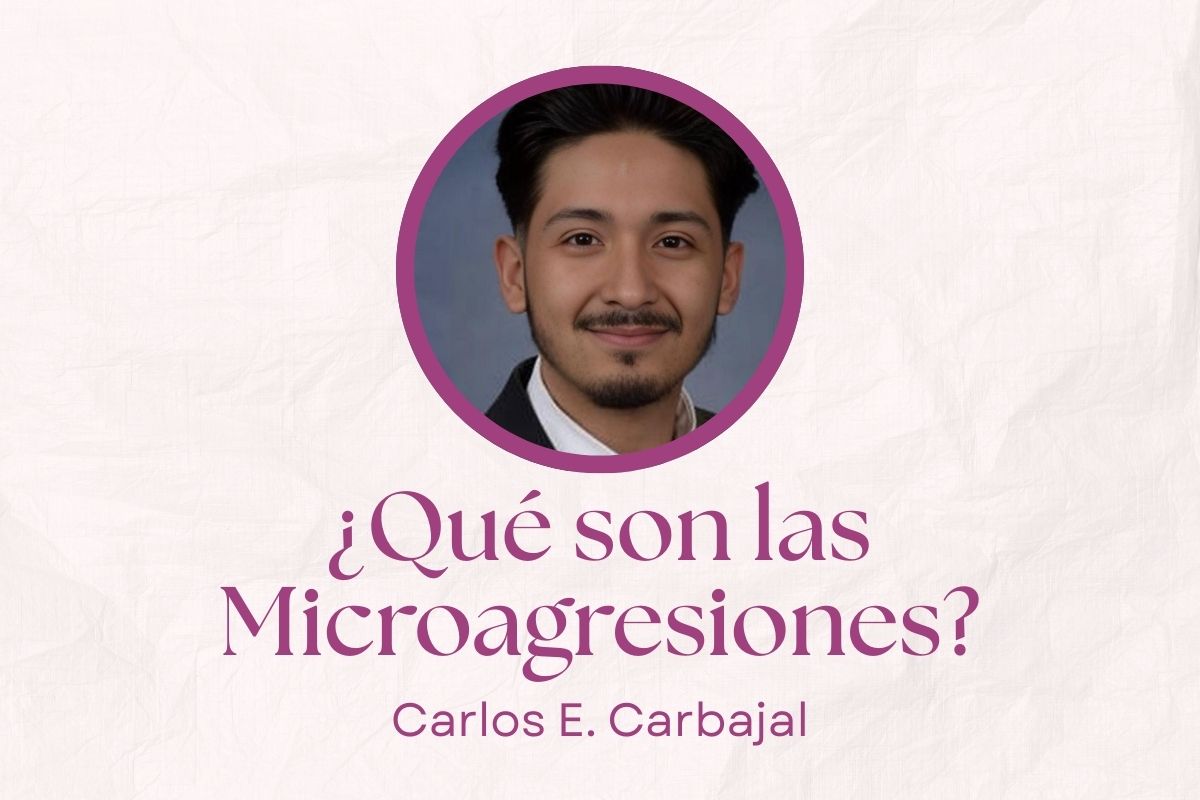
Microaggressions are subtle, often unconscious comments, gestures, or actions that convey negative or derogatory messages toward people based on their race, culture, or ethnicity. Although they seem small or “innocent,” these actions can add up and create a deep emotional impact. For example: repeatedly asking “Where are you really from?” to a racialized person, or assuming that someone does not speak the language well just because of their appearance.
How do microaggressions affect us?
Microaggressions can cause many emotional and mental symptoms. For example, they can be related to chronic stress and anxiety. They can also cause feelings of invisibility or invalidity, and in effect lower the person's self-esteem and trust in others. This cumulative effect can lead to what is known as racial trauma, a type of psychological trauma caused by ongoing experiences of racism and discrimination.
Tools
Recognition: Identifying and naming microaggressions is the first step in reducing their impact. Emotional self-care: Practice relaxation techniques, mindfulness and activities that strengthen your well-being. Assertive communication: When you feel safe, express how it affects you and educate those who carry out microaggressions.
Support network: Seek safe spaces, friendships, and communities that validate your experiences. Professional intervention: Psychological therapy can help process racial trauma and develop healthy coping strategies.
Assertive communication: When you feel safe, express how it affects you and educate those who carry out microaggressions.
Support network: Seek safe spaces, friendships, and communities that validate your experiences.
Professional intervention: Psychological therapy can help process racial trauma and develop healthy coping strategies.
Remember that you are not alone. Microaggressions and racial trauma are real and have mental and emotional effects, but there are paths to healing and growth. If you feel that microaggressions are affecting your emotional health, it is important to see a professional who can offer you comprehensive evaluations and therapeutic support specialized in racial trauma and cultural diversity.
A bilingual and culturally sensitive therapist can accompany you in the process of healing and strengthening your identity, validating your experience and providing tools for your emotional well-being.