
- The suicide It is characterized by harming oneself in order to end one's life.
- A suicide attempt It occurs when they get hurt in order to end their life, but do not die.
- The suicidal ideation It is a general term that refers to the presence of death wishes. There are different types of suicidal ideation:
- Active suicidal ideation: The desire to die is consistent and they develop a suicide plan
- Passive suicidal ideation: the desire to die exists, but they do not create any plan to do so.
- The suicidal ideation It is not exclusive to suicide. It includes self-harming behaviors and thoughts, such as:
- Suicidal thoughts: thoughts of killing yourself
- Suicidal threat: the interpersonal verbalization of suicidal thoughts.
- Non-suicidal self-harm: direct harm to oneself, but without the intention to die.
It is important to recognize that the process of suicidal ideation, including self-harm, is a symptom of some larger distress problem that has not been treated. This condition, over the course of time, culminates in a total loss of faith in aspects of your life; including work, family and/or intimate relationships, motivation to meet your personal goals, or your health due to chronic illnesses.
Warning signs
~Source: NIMH » Suicide Prevention (nih.gov)
There are explicit and implicit signs of risk. The blurring between joking and sincerity of anguish makes identification and intervention difficult. Without a doubt, the best way to avoid this is to have honest conversations and ask direct questions. without judgment.
Verbal signs include:
- Talk about wanting to die or wanting to kill yourself.
- Talk about feeling empty or desperate, or having no reason to live.
- Talking about feeling very guilty or ashamed
- Say goodbye to friends and family in farewell mode.
- Talk or think about death frequently, since we tend to verbalize the thoughts we have frequently.
Behavioral signs include:
- Show extreme changes in mood, suddenly going from being very sad to feeling very calm or happy. Moving away from friends and family, especially if they previously enjoyed their presence a lot
- Giving away important possessions that they previously valued highly.
- Taking big risks that could result in death, such as driving extremely fast (a consequence of passive suicidal ideation).
- Consume alcohol or drugs more frequently.
- Change eating or sleeping habits
Warning signs tend to be expressed but often go unnoticed by loved ones, since in general it is a process that takes time to develop and happens in secret. However, the support circle are those who have access to listen to intimate thoughts and observe risky behaviors. It is important to be actively monitoring fundamental changes in the behavior of our loved ones. Suicidal thoughts and behaviors are symptoms of deep distress. This is why They should not be ignored.
Factors that increase risk
~Source: Risk and Protective Factors | Suicide | CDC
We tend to think that pre-existing disorders and genetics are the main factors that influence suicidal ideation. The reality is that social factors put an extreme weight on your self-esteem and/or identity. Some examples of these circumstances are:
- Financial problems, such as losing a job, cause existential thoughts about socioeconomic mobility and the dream of stability.
- In addition, financial problems can make it difficult or hinder access to professional support, since they do not have health insurance.
- Legal problems, including those with recent release from a prison or jail.
- Bullying, or constant emotional abuse
- Relationship problems with loved ones, whether romantic or family.
- Death duel for
- Discrimination and systematic violence to their identity
- Discrimination based on prejudices that contribute to hatred about one's identity, such as racism, sexism, homophobia and transphobia, impacts self-esteem.
- LGBTQ+ youth are 4 times more likely to attempt suicide. In a recent study, almost half of LGBTQ people have considered suicide in the past year. This rate is even higher for trans people who belong to some ethnic group.
Source: Facts About LGBTQ Youth Suicide – The Trevor Project
- Trauma that has not been resolved; like post-traumatic stress disorder
- War veterans have a suicide rate more than double that of the general population, according to studies (Military Suicides for Post-9/11 Veterans Are High, Study Warns – The New York Times (nytimes.com).
- Exposure, either directly or indirectly, to suicidal behaviors of others. If someone already had passive suicidal ideation, exposure normalizes the behavior and may cause the suicidal ideation to become active.
- Drug and substance abuse: Drug abuse is a cyclical symptom of distress. For many who suffer from addiction, it begins as self-medicating to reduce their distress. By not resolving the source of the distress and only treating the symptoms, drug abuse fosters a loss of faith.– resulting in suicidal ideation, in addition to the neurological damage instilled. This is why addiction must be treated with compassion. In this way you can find out the origin of the behavior and be able to assist.
As seen, The social circumstances that can cause suicidal ideation are phenomena that every person can be exposed. No matter how strong someone may seem, no one is immune to life's tragedies. When knowing a loved one who was or is exposed to these factors, we must have a cautious and proactive eye to ensure that their mental health is fine and offer them help. The impact of a circle of support can reduce the impact of these factors on your emotional security.
Prevalence of Suicide in the Latino Community
Sources: Mental and Behavioral Health – Hispanics – The Office of Minority Health (hhs.gov)
2019 NSDUH Detailed Tables | CBHSQ Data Hispanic Populations | Suicide Prevention Resource Center (sprc.org)
In the Latino community, there is a belief that suicide is not a problem. The first table shows the frequency of suicidal thoughts and behaviors in the last year of Latino adults (in blue) compared to the rest of the adult population of the United States. The second table represents the same, but for high school students.
Table 1: Suicidal thinking and behavior within the last year for adults
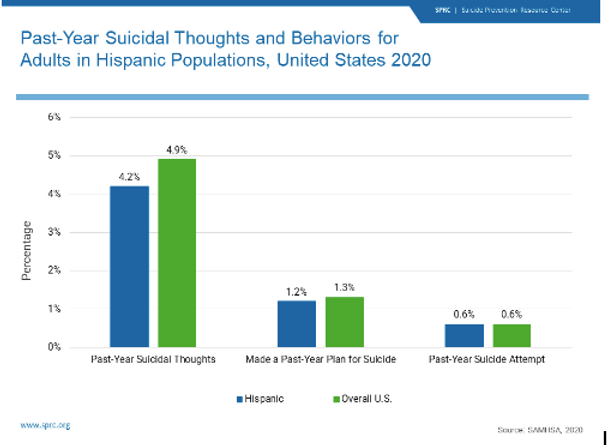
Table 2: Suicidal thinking and behavior within the last year for older adolescents.

The frequency is not statistically different for Latinos compared to the rest of the population. This means that Latinos also suffer from suicidal ideation at a similar frequency to the general population. One problem that does exist is the stigma that exists, and the lack of access to professional help. This affects our Latin community for two reasons:
- According to a 2019 national study, of Hispanics with a major depressive episode in the last year, only 58% received treatment. Compared to 70.2% of the non-Hispanic Caucasian population.

Source: SAMHSA, 2020. Results from the 2019 National Survey on Drug Use and Health: Mental Health Detailed Tables. Table 8.17B
- This same study identified that only 9.7% of the entire Latino population received mental health services in the last year, compared to 19.9% of the non-Hispanic Caucasian population.
What can I do?
NIMH » Suicide Prevention (nih.gov)
If you have suicidal ideation, try talking to your support circle. Otherwise, seek professional help with a therapist. There are also hotlines where you can connect with a professional. Some are:
- Suicide prevention hotline: call number 988
- For veterans, press 1 after calling (https://www.veteranscrisisline.net/)
- LGBTQ+ Suicide Prevention Hotline: 1-866-488-7386
- In addition to calls, The Trevor Project has several ways to contact someone by computer and by text
- https://www.thetrevorproject.org/get-help/
Remember that you are never alone. Help is out there and there are plenty of resources to help you.. The National Institute of Mental Health offers the following:

- ASK: “Are you thinking about suicide?” It's not an easy question to ask, but studies show that asking at-risk people if they have thoughts or desires about dying or killing themselves does not increase suicides or suicidal thoughts.
- KEEP HER SAFE: Reducing the access of the person with suicidal thoughts to certain extremely lethal objects or places is an essential part of suicide prevention. While doing this is not easy, asking the person at risk if they have any plans to harm themselves and disabling or eliminating any lethal means can make a difference.
- BE PRESENT: Listen carefully to find out what the person at risk is thinking and feeling. In fact, research suggests that acknowledging and talking about suicide can reduce suicidal thoughts rather than increase them.
- HELP HER ESTABLISH A CONNECTION: Save the number for the National Suicide Prevention Network (1-888-628-9454) and the crisis line for text messages in English (741741) on your cell phone so you have it on hand when you need it. You can also help the person with suicidal thoughts establish a connection with a trusted person, such as a family member, friend, spiritual advisor, or mental health professional.
STAY IN COMMUNICATION: Staying in touch with the person after they have had a crisis or after they have been discharged from treatment can make a difference. Studies have shown that the number of deaths from suicide decreases when someone follows up with the person at risk.
.
.
.
.
.
.
.